
The Best Guide to Versa Gripps Lifting Grips for Workouts
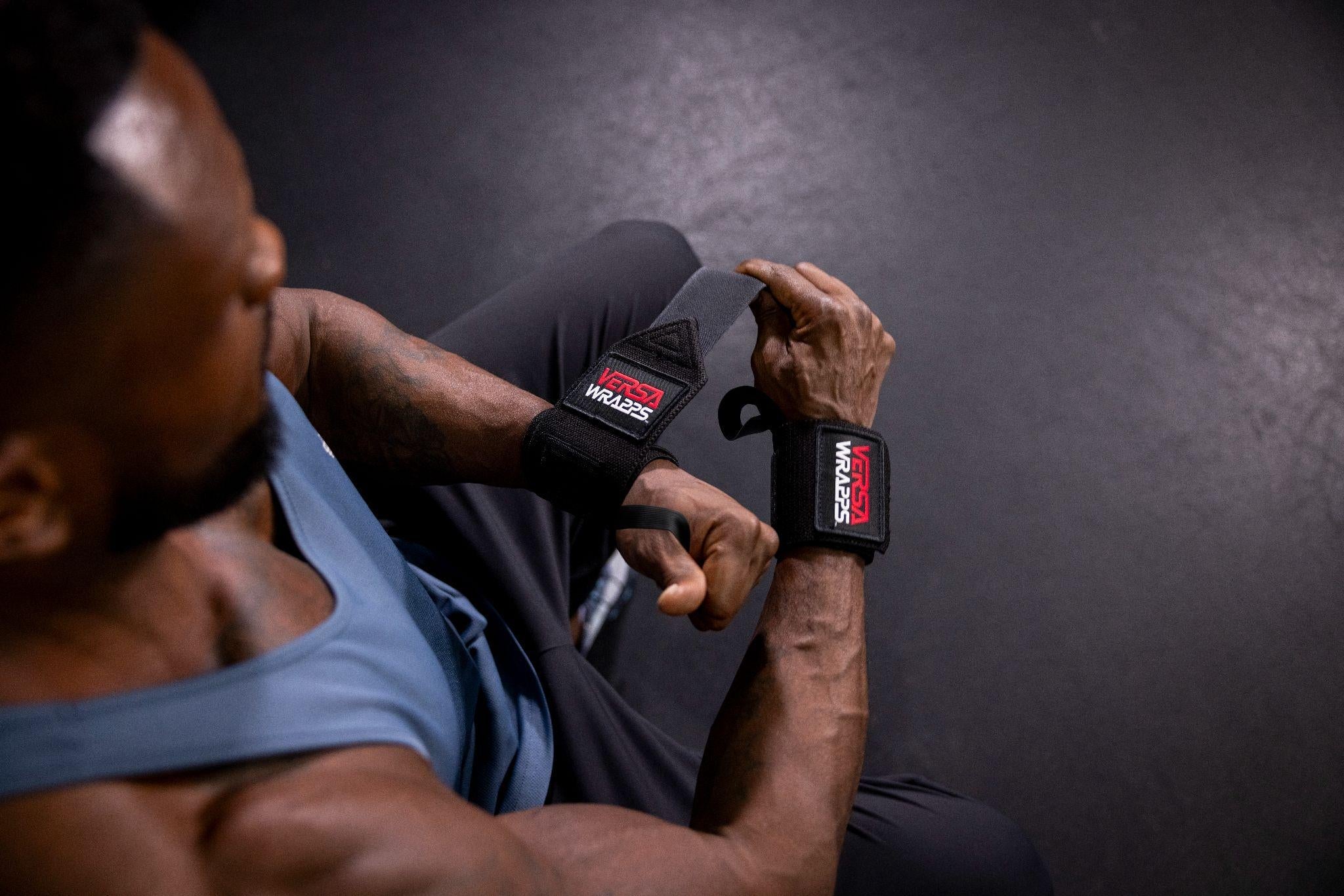
When grip strength stops being the weakest link in training
There comes a point in training where effort is not the problem. Muscles feel ready, energy is there, yet the bar slips before the set ends. That moment can be frustrating because it limits progress without warning. Strength exists, but grip gives out first, cutting the session short.
Many lifters look for ways to fix this gap through tools like Versa Gripps lifting grips, especially when lifting heavier or training longer. This guide focuses on how these grips change the way workouts feel and perform. You will learn how they support your hands, reduce strain, and help you stay focused on the lift instead of the hold.
It also explains when to use them and how to avoid relying on them too much. The goal is not to replace effort but to support it in the right way. By the end, you will understand how better grip support can unlock stronger and more consistent training sessions without adding complexity.
What are lifting grips, and how do they support performance
Lifting grips are tools designed to improve how your hands hold weights. They wrap around the wrist and bar, creating a secure connection. This reduces the need for constant grip strength during heavy lifts.
These grips work by shifting some pressure away from your fingers. Instead of squeezing tightly, you rely on the grip support to hold the bar. This allows your muscles to focus on the actual movement.
Here is what makes them useful:
- Strong support for pulling exercises
- Reduced strain on fingers and palms
- Better control during heavy lifts
- Improved endurance in longer sessions
- Quick setup and easy use
Many lifters use them for exercises like deadlifts or rows. These movements demand a strong grip, which often limits performance. With grips, you can push further without losing control.
Understanding how they work helps you use them better. They are not a shortcut. They are a support tool that enhances your training when used correctly.
Why grip support tools improve strength training results
Training results depend on how well you complete each set. If grip fails early, your muscles do not get full engagement. This slows progress over time and limits strength gains.
Grip support tools help remove that barrier. They allow you to focus on the target muscles instead of worrying about holding the bar. This leads to better form and stronger results.
Here is how they improve training:
- Extend the duration of each set
- Allow heavier weight progression
- Improve focus on target muscle groups
- Reduce early fatigue in hands
- Support safer lifting under load
Without proper grip, even strong lifters struggle to reach their potential. The hands become the weak link in the chain.
Using support tools wisely helps balance that weakness. It allows your body to perform at a higher level without unnecessary limits.
How to use lifting grips correctly for best results
Using lifting grips properly makes a big difference. Incorrect use can reduce their effectiveness or cause discomfort. The process is simple but needs attention.
Start by placing the grip around your wrist. Make sure it fits snug but not too tight. Then wrap the grip around the bar before lifting. This creates a secure hold.
Follow these steps for better use:
- Adjust grip position before each set
- Keep wrists aligned with the bar
- Wrap grips firmly but not overly tight
- Test hold before lifting heavy weights
- Remove grips between sets if needed
Avoid rushing this setup. A few seconds of adjustment can improve safety and control. Good positioning ensures the grip supports you fully.
Practice makes it easier over time. Once you get used to it, using grips becomes natural and smooth.
What mistakes to avoid when using lifting grips
Even helpful tools can cause issues if used incorrectly. Many lifters make small mistakes that reduce the benefit of lifting grips. Knowing these helps you avoid problems.
One common mistake is over-reliance on grips for every exercise. This can weaken natural grip strength over time. Another issue is poor positioning, which affects stability.
Watch out for these errors:
- Using grips for all exercises without balance
- Wrapping grips too loosely or too tightly
- Ignoring wrist alignment during lifts
- Skipping proper setup before heavy sets
- Relying on grips instead of improving form
Balance is key. Use grips when needed, but still train your natural grip strength. This keeps your overall performance strong.
Avoiding these mistakes ensures you get the full benefit without negative effects.
A stronger grip leads to more confident and effective training
Progress in training often depends on small improvements. Grip strength and support play a bigger role than most people expect. We have explored how lifting grips work, why they matter, and how to use them effectively.
We believe that the right support can unlock better results without replacing effort. When used properly, lifting grips help you push limits while staying safe and focused.
If your workouts feel limited by grip, it might be time to rethink your approach. A simple adjustment could open the door to stronger lifts and better sessions ahead.


